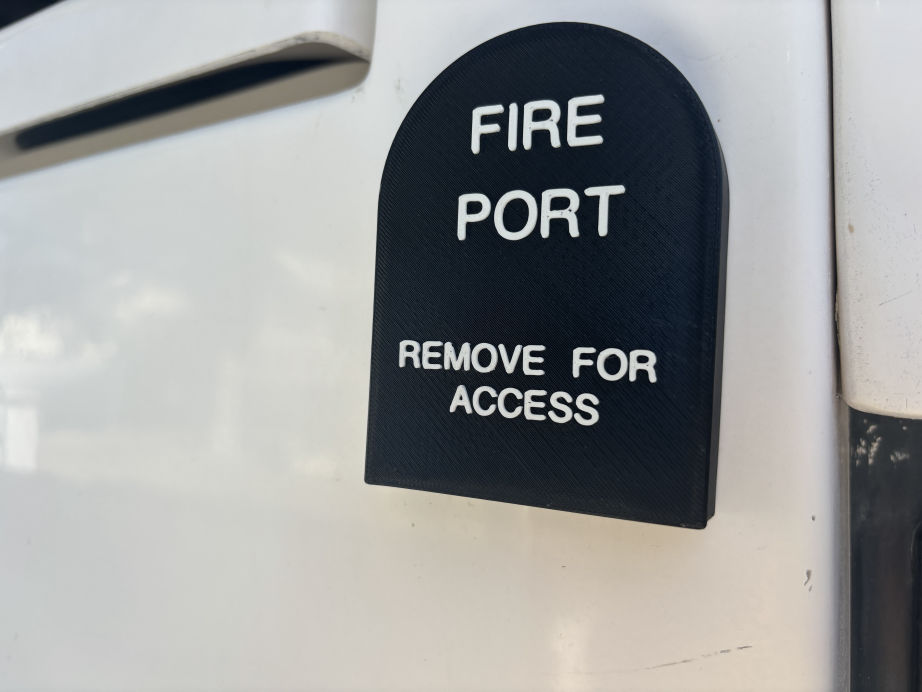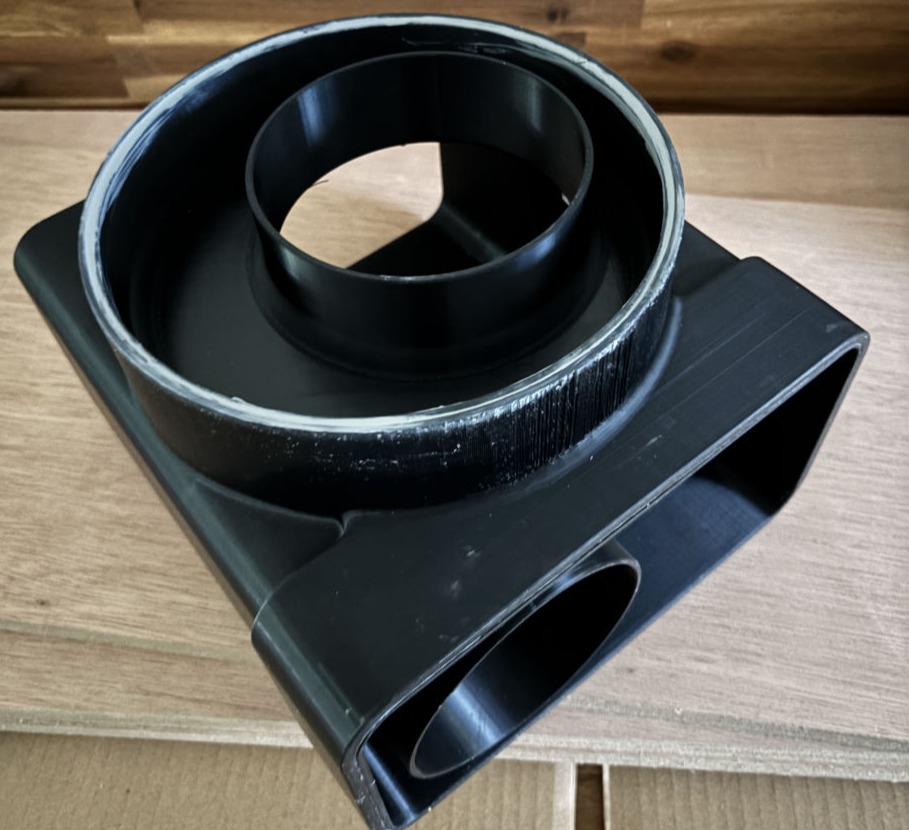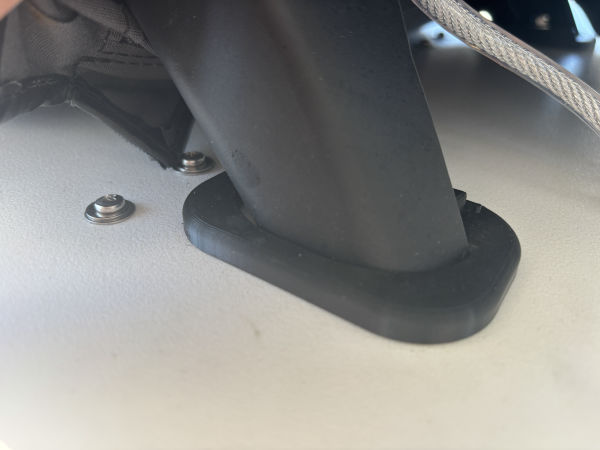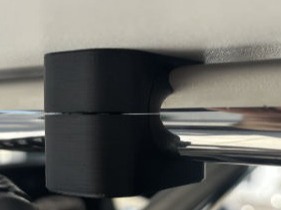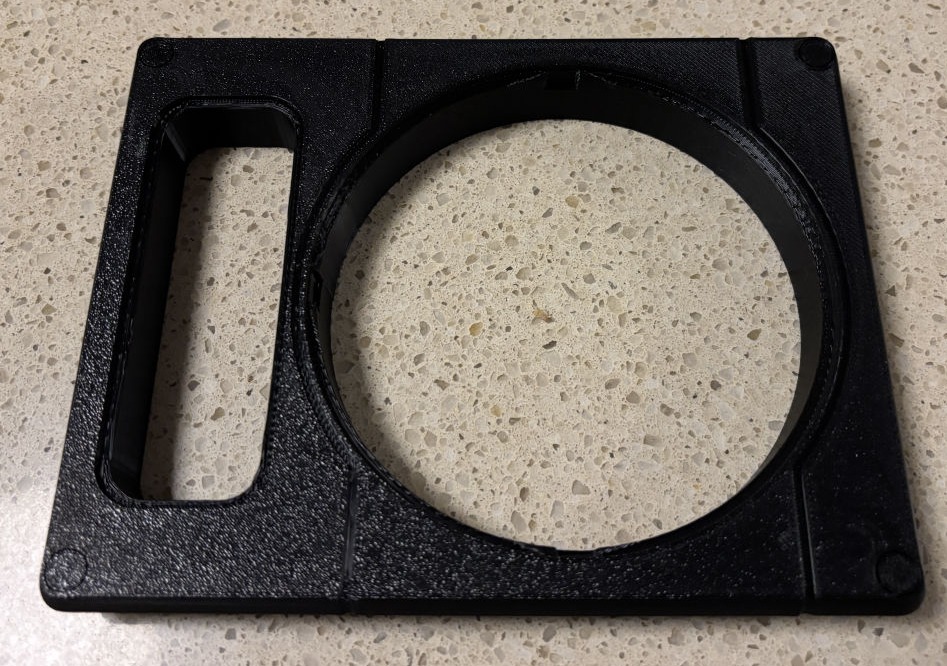
Locating specific components and then importing them to Australia turned out to be a logistical (and costly) nightmare for us. We knew there had to be a simpler solution.
Then came a steep learning curve along with the acquisition of a 3D printer. Buying the 3D printer was the simplest part of the process. However, mastering a design program for the parts took a bit more time.
Now, six months later, we are ready to experiment and print parts for the yacht.
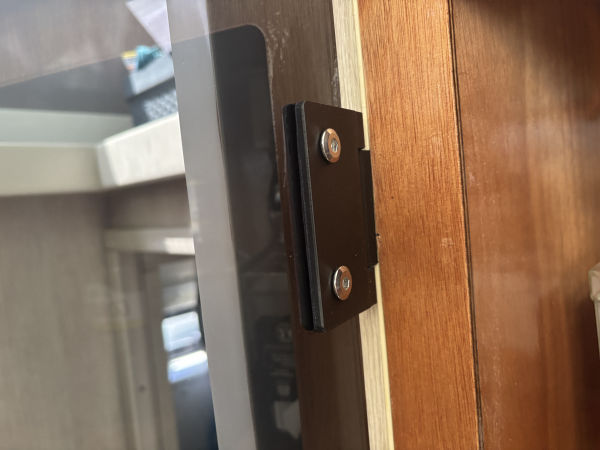
Although it may seem quick and straightforward, some components, like those for our air conditioning tubes, required 4–5 days to print. Our upper sliding door catch took a full 16 hours.
Additionally, we have to consider the time spent on various filaments regarding 'wall thickness,' positioning on the print bed, and the type of filament used.
While the above paints a negative picture, it has become positive labour of love. Where we can make a part, we do.
We evaluated several design programs, including Fusion 360, Alibre, Rhino, and OnShape. Ultimately, we found Fusion 360 to be the most practical option, largely due to the extensive number of YouTube tutorials available, which made learning and troubleshooting much easier.
Although it took some time to become familiar with the software, we are still only utilising a small portion of its full capabilities. Fusion 360 is free for non-commercial use; however, it limits users to saving a maximum of 10 active designs within the program.
For this reason, we export and store all designs in a dedicated folder on our computer. It is also worth noting that Fusion 360 requires an internet connection to operate.
For each design, we save two file formats:
.f3d – This is the native Fusion 360 file format, allowing us to reopen and modify designs as needed.
.step – This format is used for compatibility with the 3D printer.
In summary, this workflow allows us to efficiently design, store, and produce 3D-printed components.
ABS is used for more durable components such as washers, brackets, and door latches. It is strong and hard-wearing, although achieving a smooth surface finish can be challenging.
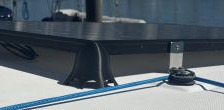
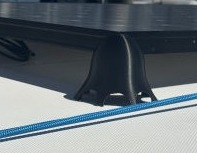
PETG is our primary filament. While slightly less tough than ABS, it performs well in high-UV environments. We use it for most applications, including hinges, locks, LED light housings, and solar panel sheet fenders.
PLA and PLA+ are mainly used for prototyping and initial designs. They are also cost-effective options for producing items like air conditioning vents and tubes.
To reduce costs, we purchase filament in bulk—typically 10 rolls at a time—bringing the price down to approximately $13–16 per 500 g roll.
We prefer BambuLab filaments, as many generic brands require extensive configuration of internal settings, which is beyond our current expertise. BambuLab filaments come with preset profiles that work reliably for our needs, and many suppliers also include postage.
We have been producing numerous smaller components for our yacht and received a lot of inquiries regarding our setup. Therefore, instead of addressing each one separately, here’s a brief overview.
Printer: BambuLab P2S
This enclosed 3D printer comes with built-in fans, temperature-regulated chambers, and a filtration system, making it ideal for high-temperature materials like ABS.
While it is feasible to print directly from the Autodesk design software, we prefer to first save all 3D design files into a specific folder for improved organization and workflow efficiency.
The machine can hold 4–5 different types of filament and can automatically feed them as programmed. Additionally, it features humidity control, which helps to prevent filament swelling and ensures consistent print quality.
Australia's largest land-based coral farm records 'amazing' spawning event. (Courtesy: Johanna Marie 14 Aug 2022).
This blog groups tid-bits of information. It is normally more active during the sailing season of April-November each year.
Australia's largest land-based coral farm records 'amazing' spawning event. (Courtesy: Johanna Marie 14 Aug 2022).
‘Completely untrustworthy’: Great Barrier Reef data calls coral bleaching events into question.
(Courtesy: Insiders Program 07 Aug 2022)
This blog groups tid-bits of information. It is normally more active during the sailing season of April-November each year.